
Bathroom regrouting and resealing in the Hills District
Grout doesn't last forever. Over the years it cracks, stains, crumbles and lets water through, and once it does, your bathroom starts looking tired and leaks aren't far behind. Regrouting brings it all back to life.
When does grout need replacing?
- Grout that's cracked, missing, or crumbling when you brush it
- Dark staining or mould that won't scrub out
- Grout lines that look permanently dirty no matter how hard you clean
- Silicone around the edges peeling or going black
- Water seeping through between tiles
If your bathroom just looks dated and grubby despite your best efforts, regrouting is often the cheapest way to make it feel new again.
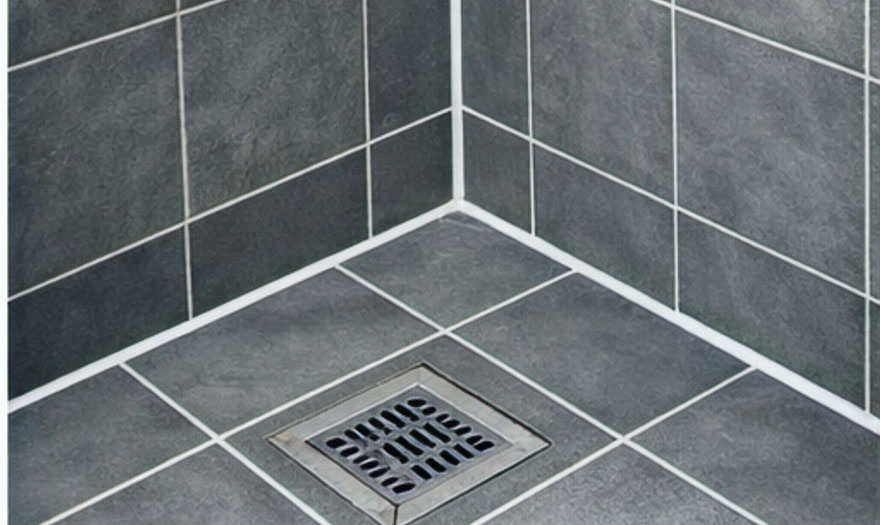
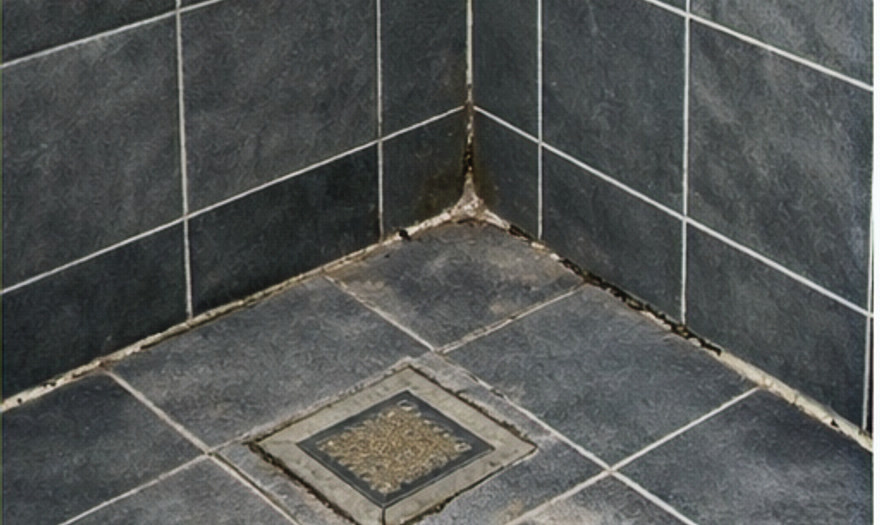
Shower reseals over two visits
Others finish a shower in a day. We don't, because the new grout has to cure before the silicone and sealer go on. It is the difference between a repair that looks good this week and one that is still sound in years.
Regrout with epoxy
The failed grout is raked out, the joints are cleaned and prepped, and the new grout goes in. Then we leave it alone.
Silicone and sealer
Once the new grout has had time to cure, we come back to silicone the corners and joints and apply the sealer, onto a surface that is ready for it.
Regrout or reseal, what's the difference?
People use the words interchangeably, so here's the plain version.
Regrouting is replacing the grout between the tiles. The old grout is raked out and fresh grout goes in.
Resealing is renewing the silicone in the corners and joints, where the wall meets the floor, around the screen, plus sealing the grout so it repels water.
Most jobs need a bit of both. We'll tell you exactly what yours needs when we quote, and never sell you work you don't need.
How we do it
Visit one: rake out the old grout
And strip the failed silicone.
Clean and prep the tile edges
So the new grout bonds properly.
Apply fresh epoxy grout
Waterproof and mould-resistant. Then we leave it to cure.
Visit two: silicone and sealer
New silicone in the joints, sealer on the grout, finished neatly.
Clean up
And leave your bathroom looking sharp.
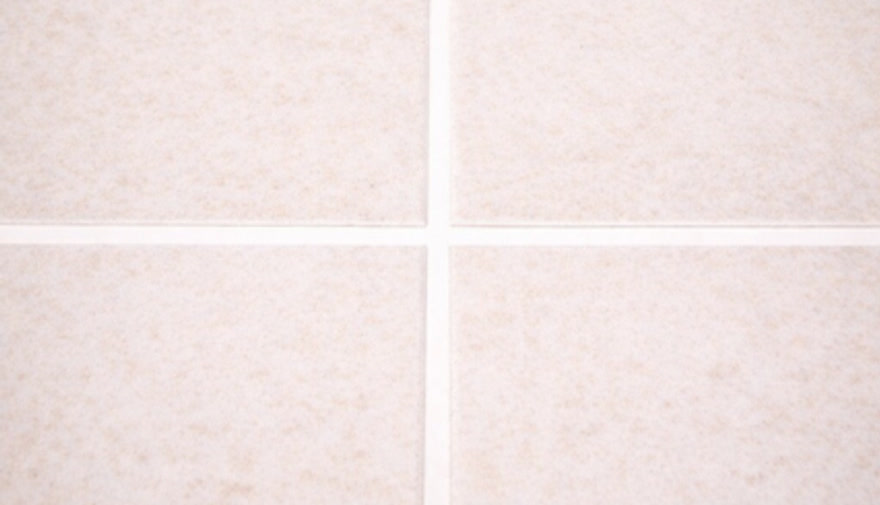
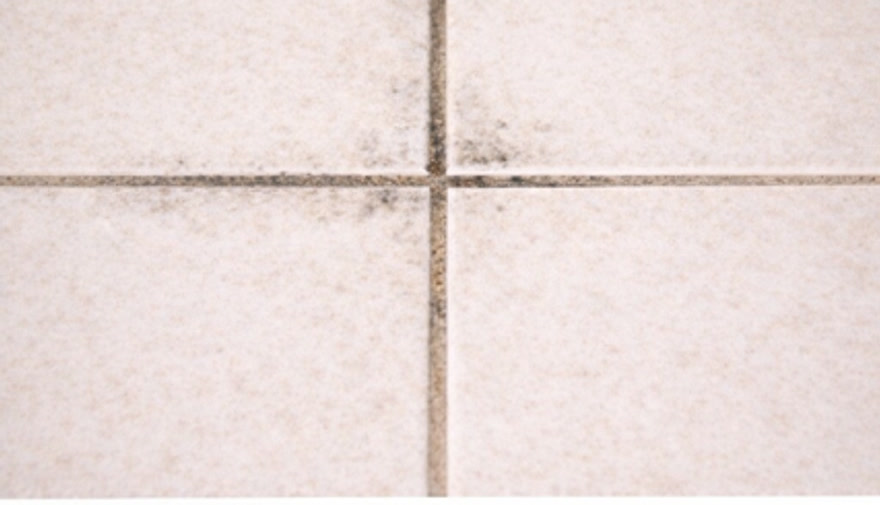
Not just showers
Bathrooms
Showers, baths and floors regrouted, resealed and made watertight
Vanities
Old silicone removed and replaced, joints sealed
Kitchen benchtops
Tired, mouldy silicone cut out and replaced
Laundry
Grout and silicone refreshed in the wet areas
Powder room
Small room, same careful regrout and reseal
Balconies
Grout and seal for outdoor tiled areas
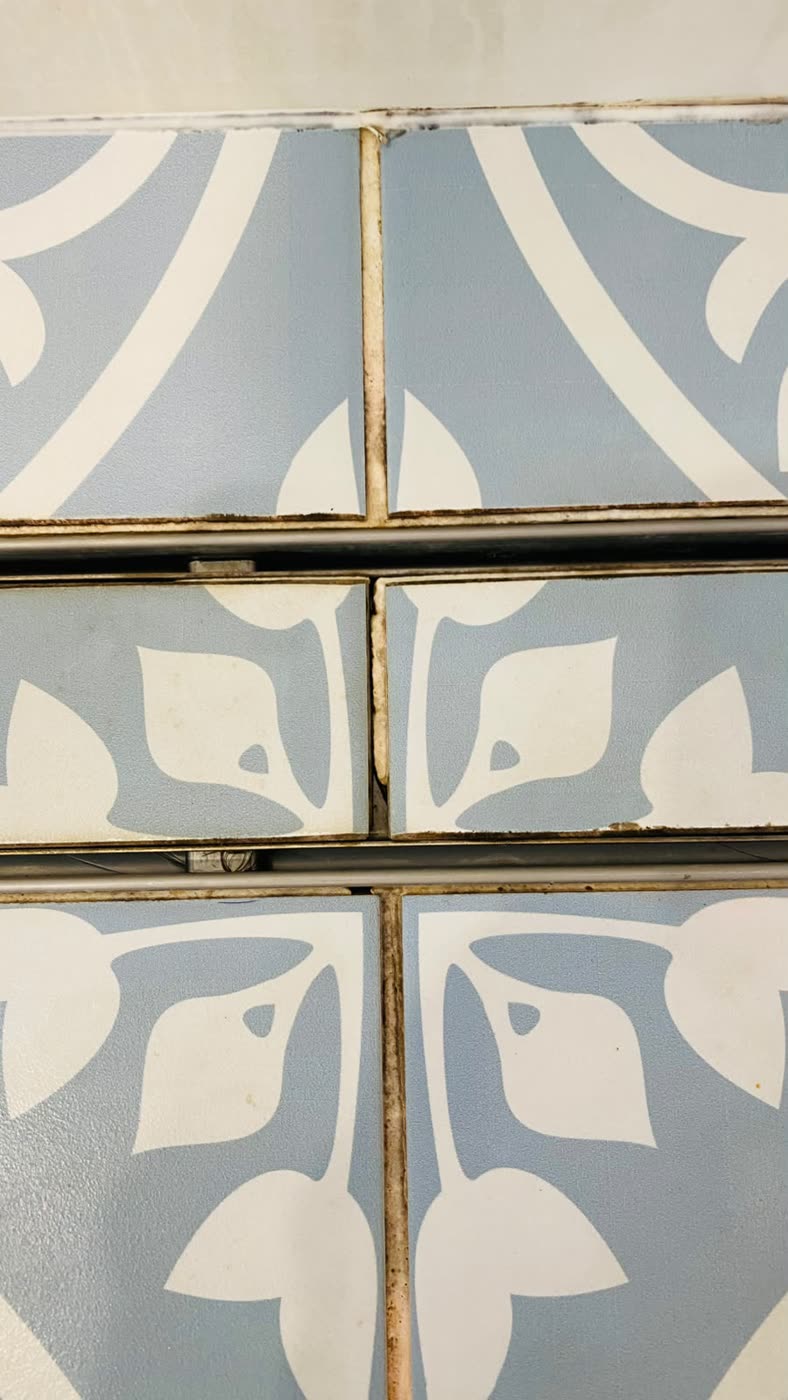 Before
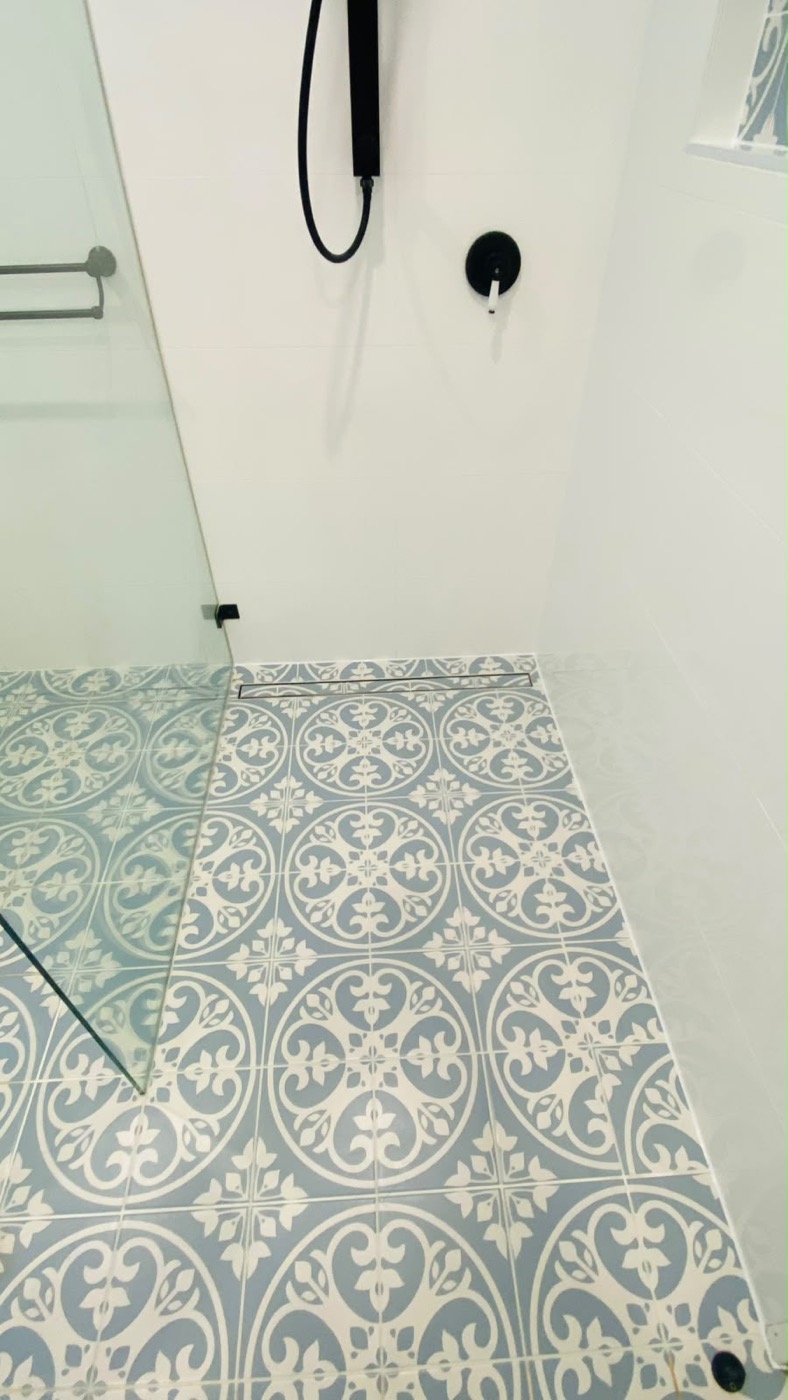 After
Patterned shower floorStained, failing joints regrouted
Why epoxy grout?
Standard cement grout absorbs water, stains, and eventually cracks, which is why it fails in the first place. Epoxy grout is waterproof, doesn't stain, resists mould, and is far tougher. It costs a little more, but it's the reason the job lasts years rather than needing doing again.
What does regrouting cost?
It comes down to the size of the area and whether it's a full regrout or a touch-up and reseal. Rather than guess, we quote it free and with no obligation, send a few photos and we'll come back with a real figure.
Regrouting, answered
Will regrouting stop my shower leaking?
How long does regrouting take?
Why don't you do it all in one day?
Do you do more than showers?
Can you match my existing grout colour?
Is epoxy grout worth the extra?
Bring your bathroom back to life.
Send a few photos of the grout and we'll come back with a real figure. Free, no obligation.
Now